
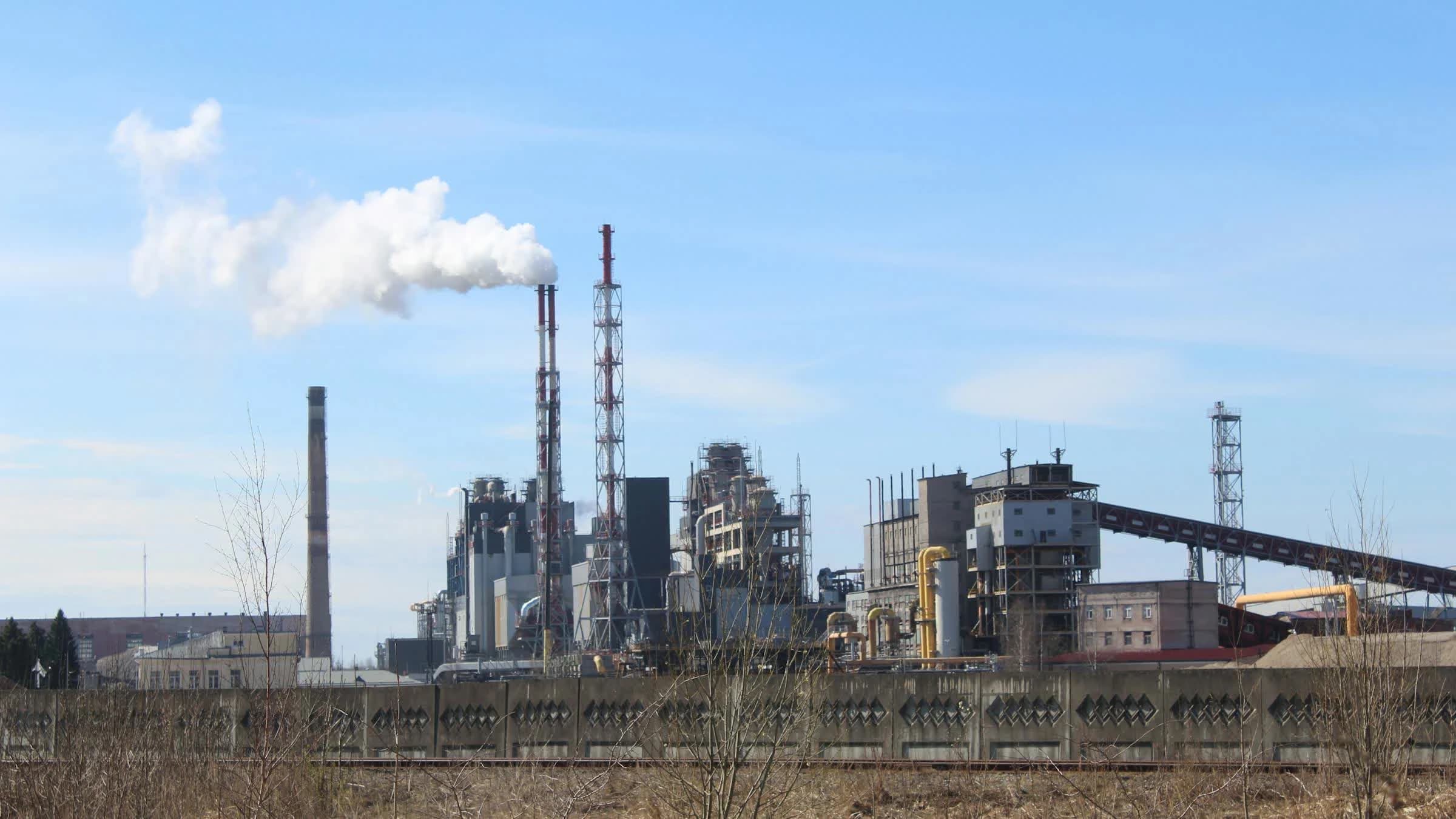
Before a China sourcing quote is used for EU entry planning, the buyer should check whether the goods sit inside CBAM scope, who will act as declarant and what carbon evidence the supplier can support.
Reader walks away knowing
- What the official CBAM record says
- Why this matters before a China sourcing commitment
- Supplier evidence to request before shipment planning
- Sources and boundary
What the official CBAM record says
The European Commission describes CBAM as the EU tool for putting a carbon price on emissions embedded in carbon-intensive goods entering the EU. The Commission page states that the transitional phase ran from 2023 to 2025 and that the definitive regime applies from 2026.
The official source set identifies the initial covered sectors as cement, iron and steel, aluminium, fertilisers, electricity and hydrogen. For a buyer sourcing from China, the practical first question is not whether every product is caught. It is whether the exact CN code, material route and imported goods fall inside the CBAM goods list before the quote is treated as ready for EU entry.
Why this matters before a China sourcing commitment
A UK buyer may not be the EU importer of record, but the sourcing decision can still create the evidence problem. If a China-origin steel, aluminium or other covered input is destined for an EU customer, warehouse, assembly route or onward sale, the EU-side importer or indirect customs representative may need emissions data, customs identifiers and a CBAM account position before importation.
That changes the RFQ pack. The buyer should not leave CBAM evidence until the forwarder asks for documents at the border. The supplier conversation needs to happen earlier, while the buyer can still compare factories, decide whether the material route is acceptable and confirm who owns the EU import obligation.
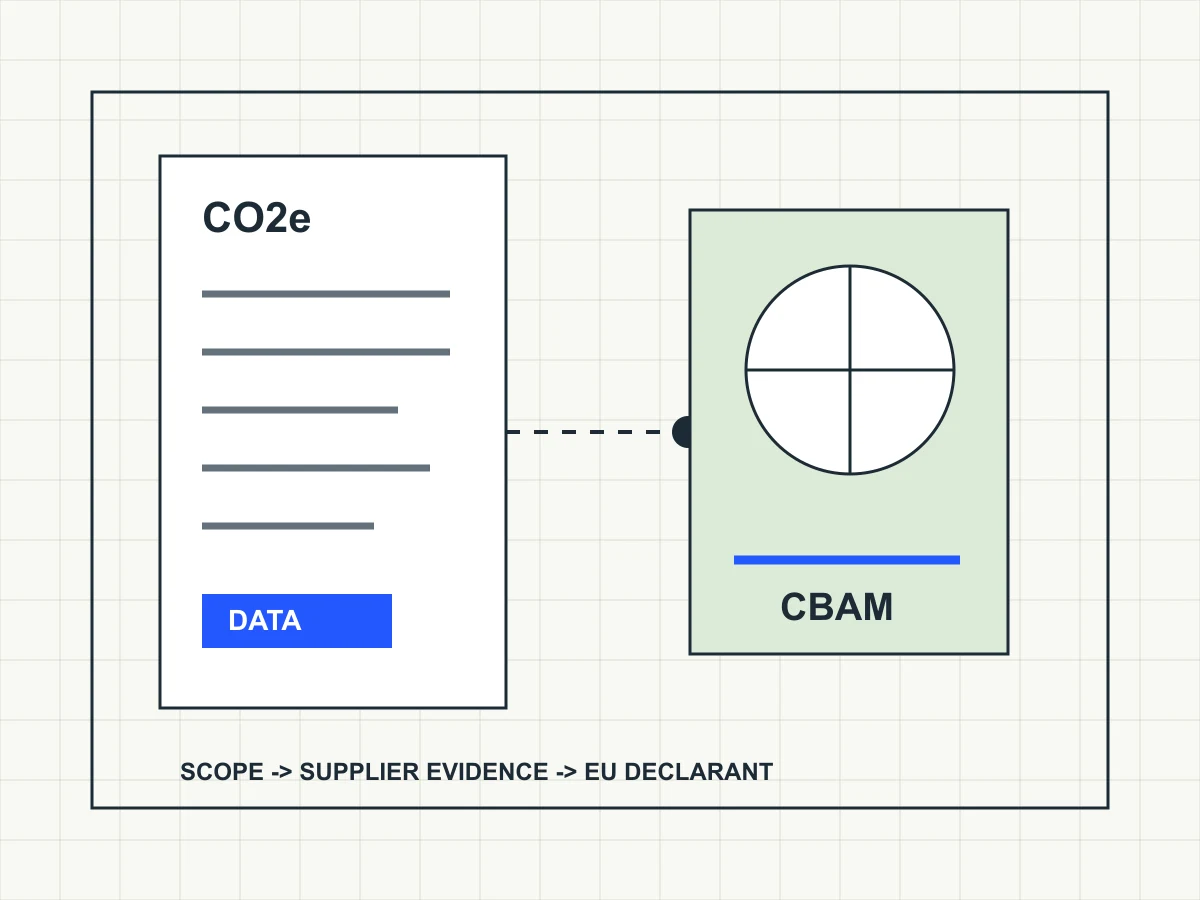
Supplier evidence to request before shipment planning
Before a covered or potentially covered China-origin shipment is approved for an EU route, the buyer should ask for evidence that can be reviewed by the EU importer, customs representative or carbon-accounting specialist. The request should be framed as document readiness, not as the supplier's promise that CBAM is solved.
- Confirm the proposed CN code and compare it with the EU CBAM goods scope before relying on the quote.
- Ask the supplier to identify material grade, production route and any covered precursor inputs.
- Request the emissions data file or producer statement the EU importer expects to review.
- Confirm whether the EU importer or indirect customs representative has authorised CBAM declarant status, an account number or an application reference where required.
- Keep the CBAM position separate from price, freight and normal customs duty assumptions until the responsible specialist has checked it.
Useful RFQ questions include the exact CN code proposed for the goods, the material grade and production route, whether covered precursors are included, what emissions data the producer can provide, who prepared that data and whether the EU importer has confirmed the format it needs. If the supplier cannot answer those questions, the quote may still be usable, but the CBAM assumption remains provisional.
What not to assume from the quote
A supplier line saying that CBAM is included is not enough. CBAM sits around customs entry, declarant status, embedded emissions and certificate surrender obligations. The supplier can support the evidence trail, but the EU-side importer or indirect customs representative remains central to the import process.
The buyer should also avoid treating a non-covered finished product as automatically outside every carbon evidence request. A downstream assembly can contain covered steel or aluminium inputs, and an EU customer may still ask for evidence even where the import line itself needs specialist confirmation.
Monday-morning checklist
- [ ] Identify whether the goods, inputs or precursors sit in a CBAM-covered sector.
- [ ] Record the proposed CN code, country of origin and material route before asking for EU entry advice.
- [ ] Ask the EU importer or customs representative who will act as CBAM declarant for this route.
- [ ] Request supplier emissions evidence before sample approval or shipment release, not after goods are ready to move.
- [ ] Keep CBAM certificate cost, customs duty, VAT and freight as separate assumptions in the landed-cost file.
- [ ] Mark the CBAM position as provisional until the responsible EU importer, customs representative or specialist confirms it.
Sources
European Commission, Carbon Border Adjustment Mechanism: taxation-customs.ec.europa.eu/carbon-border-adjustment-mechanism_en (accessed 2026-06-06).
EUR-Lex, Carbon Border Adjustment Mechanism summary: eur-lex.europa.eu/EN/legal-content/summary/carbon-border-adjustment-mechanism.html (accessed 2026-06-06).
EUR-Lex, Regulation (EU) 2023/956 establishing a carbon border adjustment mechanism: eur-lex.europa.eu/eli/reg/2023/956/oj (accessed 2026-06-06).
Boundary: this briefing is buyer-side sourcing evidence guidance only. It is not legal advice, tax advice, customs advice or carbon-accounting advice. Confirm scope, declarant obligations, emissions methodology and certificate treatment with the responsible EU importer, customs representative or qualified specialist before acting.
Control points before commitment
- Identify whether the goods, inputs or precursors sit in a CBAM-covered sector.
- Record the proposed CN code, country of origin and material route before asking for EU entry advice.
- Ask the EU importer or customs representative who will act as CBAM declarant for this route.
- Request supplier emissions evidence before sample approval or shipment release, not after goods are ready to move.
- Mark the CBAM position as provisional until the responsible EU importer, customs representative or specialist confirms it.
Buyer-side control
Treat this briefing as a sourcing evidence check before RFQ approval, shipment release or EU entry planning. Confirm the live source record and specialist position before using it for commercial decisions. This is a buyer-side planning note, not legal, tax, customs or carbon-accounting advice; confirm final treatment with appointed providers or qualified specialists before acting. This is not legal advice, not tax advice, not customs advice and not carbon-accounting advice. Plinth&Co is not a factory. Plinth&Co is not a customs broker. Plinth&Co is not a tax adviser. Plinth&Co is not a law firm. Plinth&Co is not a carbon-accounting adviser.
Request a sourcing review